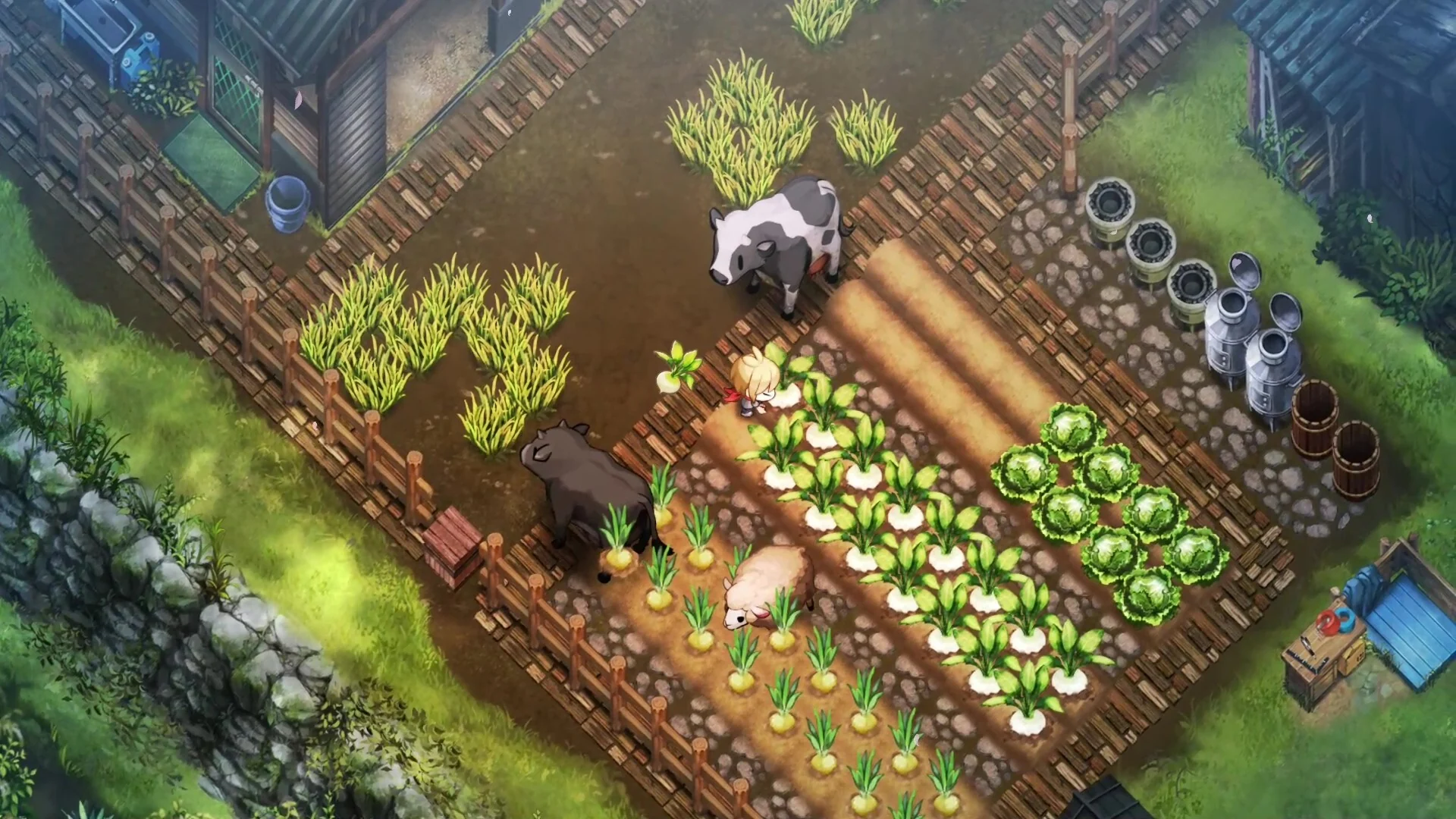
Understanding the Village in the Shade Ending: Meaning and Interpretation
Stories that center around isolated communities, folklore, and hidden truths often leave audiences with lingering questions once the final credits roll.
Stories that center around isolated communities, folklore, and hidden truths often leave audiences with lingering questions once the final credits roll. When searching for the Village in the Shade ending, viewers and readers are typically looking for a clear breakdown of the narrative's final moments, the fates of key characters, and the broader symbolic meaning behind the conclusion.
Because ambiguous storytelling can be interpreted in several ways, unpacking the ending requires looking closely at both literal plot resolutions and thematic undertones. This guide provides a structured breakdown to help you analyze the conclusion, understand character arcs, and verify any specific plot points you might have missed.
Plot Breakdown: What Actually Happens at the End?
To understand the conclusion, it helps to first trace the final sequence of events. While specific details depend on the exact medium and version of the story you are engaging with, narrative climaxes in stories titled or themed around a "Village in the Shade" generally follow a specific trajectory:
- The Revelation of the Secret: The central mystery governing the village—often tied to isolation, historical trauma, a protective pact, or a hidden deception—is brought to light. Characters who spent the majority of the story in the dark finally confront the reality of their environment.
- The Breaking of the Cycle: A traditional ritual, a geographic barrier, or a psychological illusion that kept the village separated from the outside world (or trapped in a repeating pattern) is disrupted.
- The Choice of Exposure or Preservation: The inhabitants or protagonists must decide whether to step out into the "light" (truth, reality, and integration with the wider world) or retreat back into the shade (safety, ignorance, and comfortable isolation).
If you are trying to confirm a specific plot twist or character fate from the final scenes, you can verify these details by re-examining the dialogue in the penultimate chapter or scene, where the primary motivations of the antagonist or community leaders are usually laid bare.
Character Fates and Motivations
A satisfying conclusion relies heavily on how the character arcs resolve. In narratives focused on insular communities, characters generally fall into a few distinct archetypes by the time the ending arrives:
- The Outsider or Seeker: This character acts as the audience's proxy. Their goal throughout the story is usually to uncover the truth. At the ending, their fate often determines the cost of knowledge—whether the truth sets them free or isolates them further.
- The Traditionalist or Guardian: Committed to preserving the village's status quo, this character views the "shade" as a necessary shield against external harm. Their defeat or concession usually signals that the old ways can no longer be sustained.
- The Resident on the Edge: Someone born into the village who always questioned its rules. Their role in the ending is pivotal, as their choice to leave or stay demonstrates the future trajectory of the community itself.
When evaluating a character's final action, ask yourself whether they achieved their primary objective or if they were forced to compromise. Often, the emotional resonance of the ending stems from a bitter-sweet trade-off rather than a neat, Hollywood-style resolution.
Thematic Meanings: Why "The Shade"?
Titles involving light and shadow, or literal places cast in perpetual darkness or seclusion, carry heavy symbolic weight. Analyzing the metaphors can unlock a deeper appreciation for the ending:
1. Ignorance Versus Truth
The "shade" frequently represents willful ignorance or comfortable denial. Living in the shade means avoiding harsh truths about the past or the outside world. Stepping out of the shade, therefore, represents the painful and blinding process of awakening to reality. While truth is portrayed as liberating, the narrative often acknowledges that it is rarely comfortable.
2. Generational Trauma and Isolation
Insular villages in fiction often function as microcosms for societal behavior. The measures taken to keep the village hidden or protected usually mirror how communities or individuals lock away their deepest shames. The ending typically questions whether hiding from trauma heals it or simply allows it to fester beneath the surface.
3. Safety Versus Freedom
One of the most persistent dilemmas in this type of story is the choice between secure confinement and perilous liberty. The village may offer physical or emotional shelter, but it does so at the cost of personal agency. The conclusion usually forces a verdict on whether a sheltered life is truly worth living.
How to Verify Unclear Details in the Ending
If you finished the story and feel like key narrative threads were left dangling, it is entirely possible that the creator intended an open-ended conclusion. However, if you want to ensure you did not miss subtle hints, try these verification steps:
- Revisit Key Dialogues: Look back at the conversations between the protagonist and the village elders just before the climax. Writers often hide the true meaning of the ending in seemingly mundane philosophical arguments.
- Check Creator Commentary or Interviews: If the work is part of a modern book, film, or series, creators frequently discuss their intentions for ambiguous endings in post-release interviews or author notes.
- Engage with Community Discussions: Fan forums and literary analysis boards often catch subtle visual or textual motifs (such as recurring color palettes, framing choices, or symbolic objects) that clarify ambiguous final shots.
Ultimately, the ending of a story like Village in the Shade invites viewers and readers to bring their own perspectives to the table. Whether you view the conclusion as a triumph of truth or a cautionary tale about destroying necessary illusions, the lingering questions are often designed to keep you thinking long after the story ends.