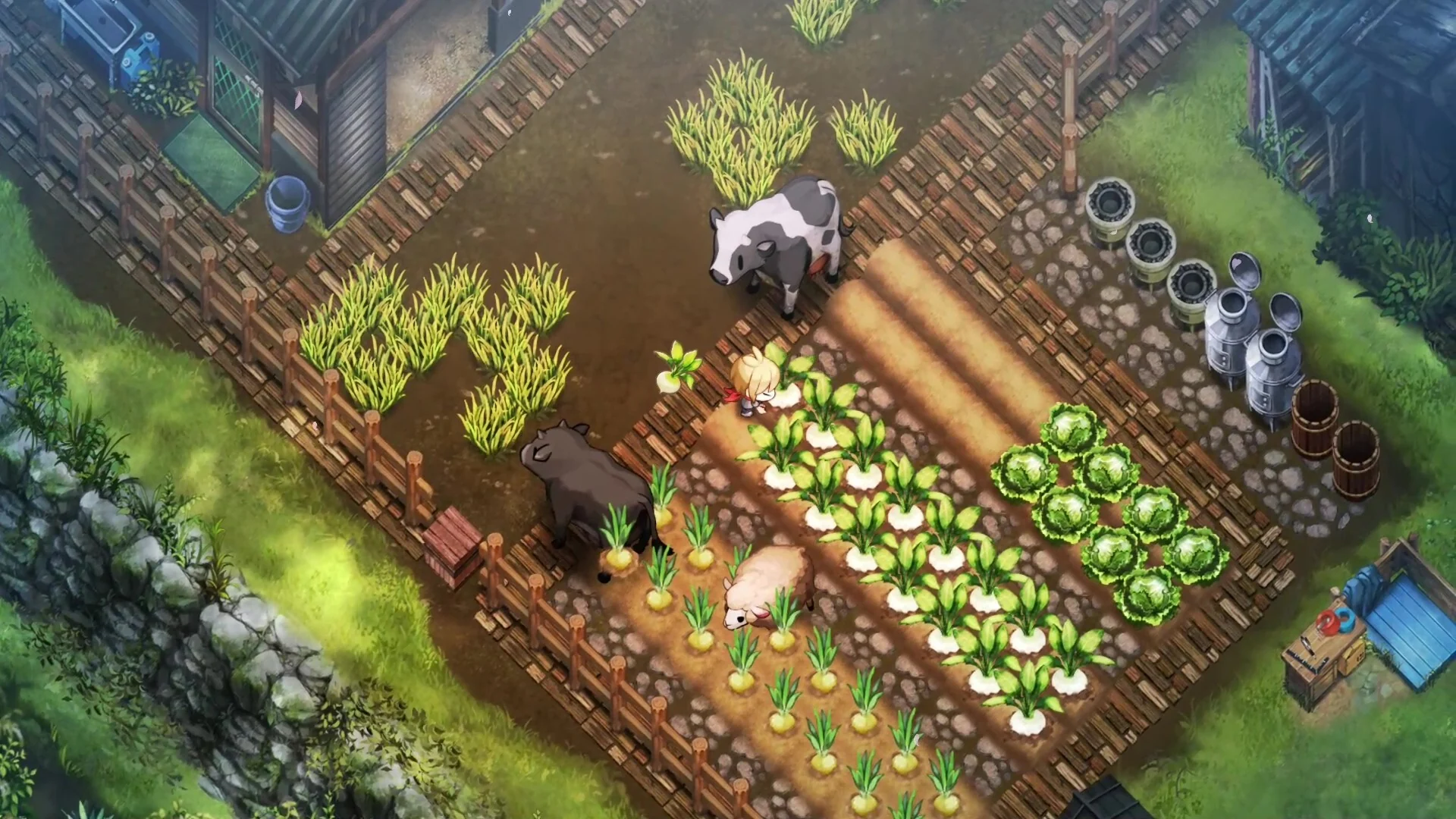
Village in the Shade Romance: Exploring Romance Options and Story Dynamics
In narrative-driven video games, visual novels, and interactive fiction, finding a cozy yet deeply emotional escape is a common goal for many players.
In narrative-driven video games, visual novels, and interactive fiction, finding a cozy yet deeply emotional escape is a common goal for many players. Titles that center around tight-knit communities often feature intimate interpersonal subplots, leading many fans to search for details on romance options within specific rural or pastoral settings.
When searching for "Village in the Shade romance," players are typically looking to understand how romantic relationships develop within a specific community, which characters are available to pursue, and how these emotional story beats impact the overarching narrative. Because game titles, updates, and indie releases frequently share similar motifs, understanding how to navigate these relationship systems ensures you get the most out of your playthrough.
Understanding the "Village in the Shade" Setting and Tone
Before diving into individual character mechanics, it helps to look at the atmospheric backdrop of stories featuring shaded villages, hidden settlements, or secluded hamlets. These settings usually emphasize a slower pace of life, distinct local traditions, and a cast of residents dealing with personal histories, local mysteries, or daily survival.
In narrative games with romance elements, the environment directly influences how relationships progress. A village shaded from the harsh sun or nestled deep within a thick canopy often fosters a mood of quiet introspection. Characters you encounter may open up gradually, requiring patience, gift-giving, or specific narrative choices to earn their trust.
Because official source material or specific database entries for a project explicitly named "Village in the Shade" can vary widely depending on whether the user is referring to an indie RPG, a visual novel project, or a piece of interactive fiction, checking the exact developer notes or in-game codex is always recommended to confirm current romantic availability.
Key Elements of Romance Systems in Community-Focused Games
While every game implements relationship mechanics differently, titles focusing on village life and romance generally share several core structural features. Knowing what to look for can help you identify how to advance your favorite pairings.
1. Friendship and Affection Levels
Most games utilize a meter—often represented by hearts, notes, or numerical friendship points—that tracks your standing with individual villagers.
- Milestones: Reaching specific thresholds (such as two hearts, four hearts, etc.) typically unlocks unique cutscenes or dialogue trees.
- Gifting and Interaction: Discovering what items a character loves, likes, or dislikes is usually the primary method for raising affection outside of main story progression.
2. Narrative Triggers and Event Scheduling
Unlike simple arcade mechanics, romance in story-heavy games is usually tied to time and placement.
- Weather and Time of Day: Certain romantic events may only trigger during specific hours, under specific weather conditions (like rain or twilight), or on particular days of the week.
- Location-Based Prompts: Visiting specific areas of the shaded village—such as an overgrown garden, a quiet overlook, or a local tavern—can initiate hidden dialogue that deepens your bond.
3. Dialogue Choices and Personality Compatibility
How you respond during conversations matters. Characters in well-written narrative games have distinct personalities, values, and insecurities.
- Active Listening: Choosing responses that validate a character's struggles or share common interests will generally accelerate your romantic standing.
- Consequences: In some branching narratives, poorly chosen dialogue can temporarily stall a relationship path, requiring you to make amends through subsequent interactions.
How to Verify Romance Options and Content Updates
Because games and interactive stories frequently receive post-launch patches, character additions, or expanded writing updates, certain features may change over time. If you are trying to confirm whether a specific character is romanceable in a title matching this description, use the following verification steps:
- Check the In-Game Journal or Relationship Menu: Many modern titles include a dedicated UI tab that lists met characters, current relationship status, and hints about their preferences.
- Consult Official Developer Roadmaps: If the project is an indie game in early access or episodic development, check the creator’s official community pages, update logs, or developer blogs to see if romance features are fully implemented or planned for a future update.
- Engage with Community Hubs: Dedicated forums, community wikis, and player-run guides often compile spoiler-free or detailed relationship walkthroughs once a game has been thoroughly explored by its player base.
Tips for Getting the Most Out of Village Romance Subplots
To fully experience the emotional depth of a rural or community-based romance story, keep these general best practices in mind:
- Take Your Time: Don't rush straight toward a romantic conclusion. Exploring side quests and talking to secondary villagers often reveals backstory context that makes the primary romance arcs much more rewarding.
- Keep Multiple Save Files: If a game features major branching decisions or lets you pursue multiple characters, creating manual save files before major relationship milestones allows you to explore different narrative outcomes without restarting from scratch.
- Pay Attention to Environmental Cues: In games with atmospheric titles emphasizing light and shadow, pay attention to how the environment changes during key emotional scenes. Developers often use lighting and musical cues to underscore pivotal moments in a character arc.
By keeping these dynamics in mind, you can approach relationship-building in cozy or mysterious village settings with confidence, uncovering every hidden piece of dialogue and emotional depth the story has to offer.