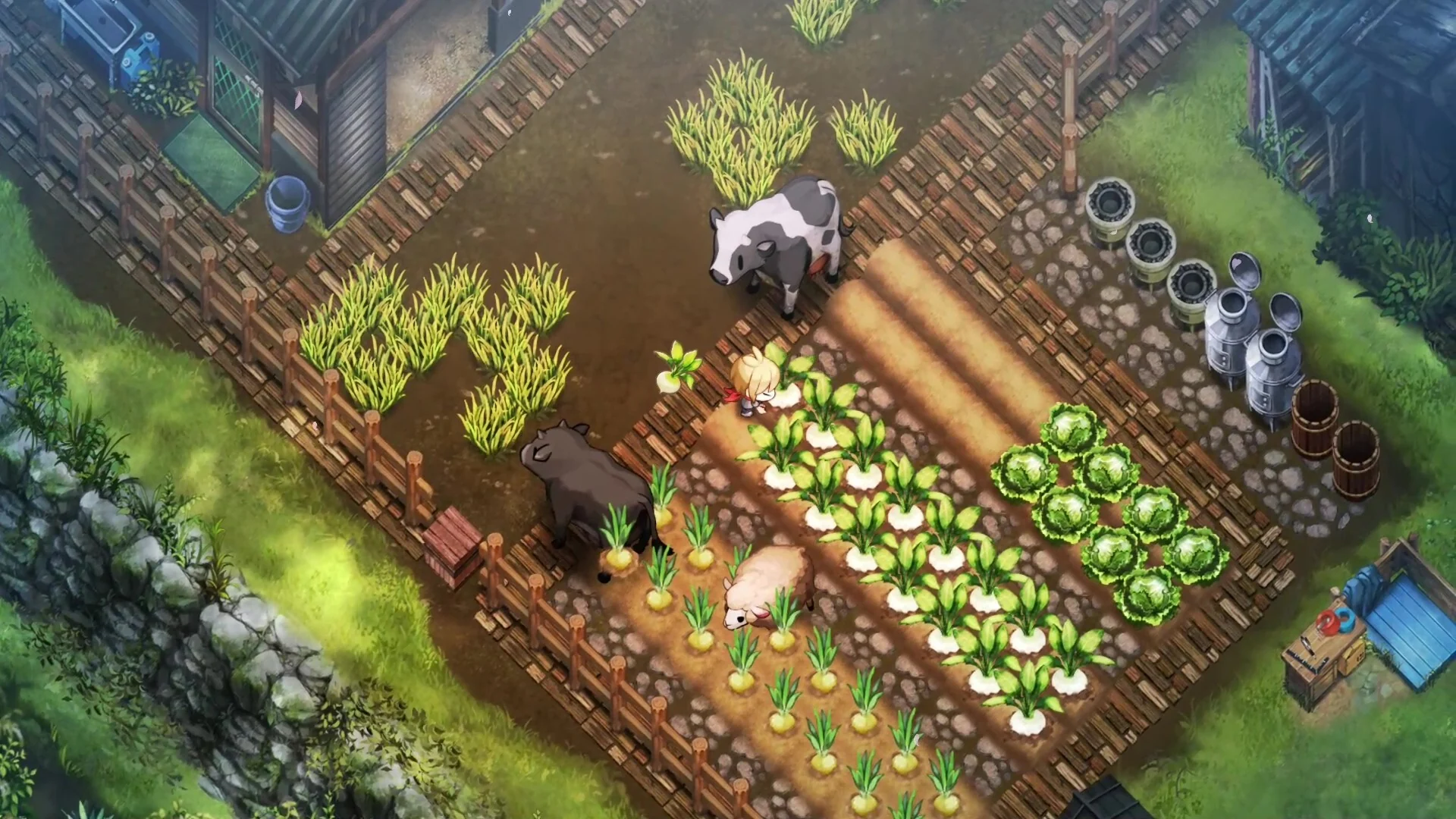
Village in the Shade How to Fish Yamame: A Complete Angling Guide
Fishing is often one of the most relaxing yet rewarding side activities in narrative-driven games and rural simulations, and tracking down specific freshwater.
Fishing is often one of the most relaxing yet rewarding side activities in narrative-driven games and rural simulations, and tracking down specific freshwater species adds an extra layer of challenge. If you are exploring the atmospheric world of Village in the Shade and wondering how to catch the elusive yamame—a prized freshwater trout known for its striking markings and cautious behavior—you are in the right place.
While specific in-game mechanics, bait requirements, and seasonal spawns can vary depending on the current version of the title, understanding the foundational steps of freshwater fishing in this setting will drastically improve your success rate. This guide breaks down where to look, what gear to consider, and the techniques needed to reel in a yamame.
Understanding the Yamame in Village in the Shade
In real-world angling and simulated equivalents alike, the yamame (often called the landlocked cherry salmon) is a prized catch. Known for living in pristine, fast-flowing mountain streams with crystal-clear water, these fish are easily spooked.
Within the context of Village in the Shade, treating the yamame like a standard pond fish will likely lead to frustration. Because they prefer dynamic water environments, you will need to shift your focus away from stagnant lakes and look toward flowing riverbeds, rocky banks, and shaded tributary pools.
Key Characteristics to Keep in Mind
- Habitat Preference: Fast-moving, oxygen-rich currents rather than deep, still water.
- Behavioral Cues: They tend to hide near natural cover, such as submerged logs, undercut riverbanks, and large boulders that break the current.
- Vigilance: Due to the clear water of their preferred habitats, improper positioning or overly aggressive casting can cause them to flee before you even get a bite.
Preparing Your Gear and Setup
Before casting a line into the rushing waters of the village, you need to ensure your setup is properly configured. Depending on how the game handles inventory and tool progression, you may need to upgrade your fishing rod or acquire specific tackle before yamame will take an interest.
Checking Your Rod and Tackle
- Inspect Your Current Rod: If basic bamboo poles or starter rods are yielding only small minnows or junk items, you may need to visit a local vendor or check crafting menus to see if a sturdier river rod is available.
- Bait and Lures: Different fish react to different offerings. If the game features distinct bait types (such as insects, paste, or artificial lures), experiment by matching what naturally falls into a mountain stream. Insects and small spinners are historically effective for trout species.
- Inventory Space: Ensure you have enough room in your inventory or storage container so you do not miss out on your catch due to being over-encumbered.
Because specific crafting recipes, vendor locations, and equipment tiers can shift with game updates, you can verify your current gear's capabilities by checking your in-game journal, help menus, or speaking to local NPCs who offer hints about village life and local pastimes.
Step-by-Step Guide: How to Catch a Yamame
Once you are geared up and standing by the right body of water, executing the catch requires patience and timing. Follow these steps to maximize your chances:
Step 1: Locate the Right Spot
Do not fish just anywhere. Walk along the riverbanks until you find areas where the water runs swiftly over rocks or plunges into small, swirling eddies. Shaded spots—fittingly resonant with the theme of Village ine the Shade—are prime real estate for trout looking to stay out of the midday sun.
Step 2: Position Yourself Correctly
Approach the water slowly. If the game incorporates stealth or movement speed mechanics, avoid sprinting right up to the edge of the bank. Cast your line upstream or slightly above your target zone, allowing your bait or lure to drift naturally with the current toward the likely hiding spots.
Step 3: Watch the Float or Tension Meter
Keep your eyes locked on your float, or pay close attention to the audio cues and tension gauges if the game uses a dynamic reeling mechanic. Yamame strikes can be quick and decisive. Wait for the definitive dip or pull before setting the hook.
Step 4: Manage the Reeling Phase
When you successfully hook the fish, a mini-game or tension mechanic may trigger:
- Balance the Pull: If the fish fights or swims against the line, ease off on reeling to prevent the line from snapping.
- Reel When Calm: As the resistance drops, steadily wind the reel to bring the fish closer to the bank.
- Secure the Catch: Once brought to hand, check your inventory to confirm the yamame has been added successfully.
What to Do If You Can't Find a Yamame
If you spend an in-game day casting into rivers without success, do not panic. Open-world and rural simulation games often implement specific environmental rules that dictate fish availability.
- Check the Time of Day: Many fish species in games are tied to diurnal cycles. Yamame might be more active during early morning or late afternoon hours.
- Observe Weather Conditions: Overcast days or periods of light rain often trigger feeding frenzies in freshwater fish. If the weather changes, head straight to the river.
- Verify Version Differences: If you are following an online guide that mentions exact coordinates or unverified seasonal mechanics, keep in mind that updates or platform differences can alter spawn rates. Cross-reference your current game version against community hubs or patch notes to ensure the mechanics haven't shifted.
By respecting the river environment, using the appropriate gear, and timing your casts carefully, you will master yamame fishing and add another impressive catch to your Village in the Shade collection.