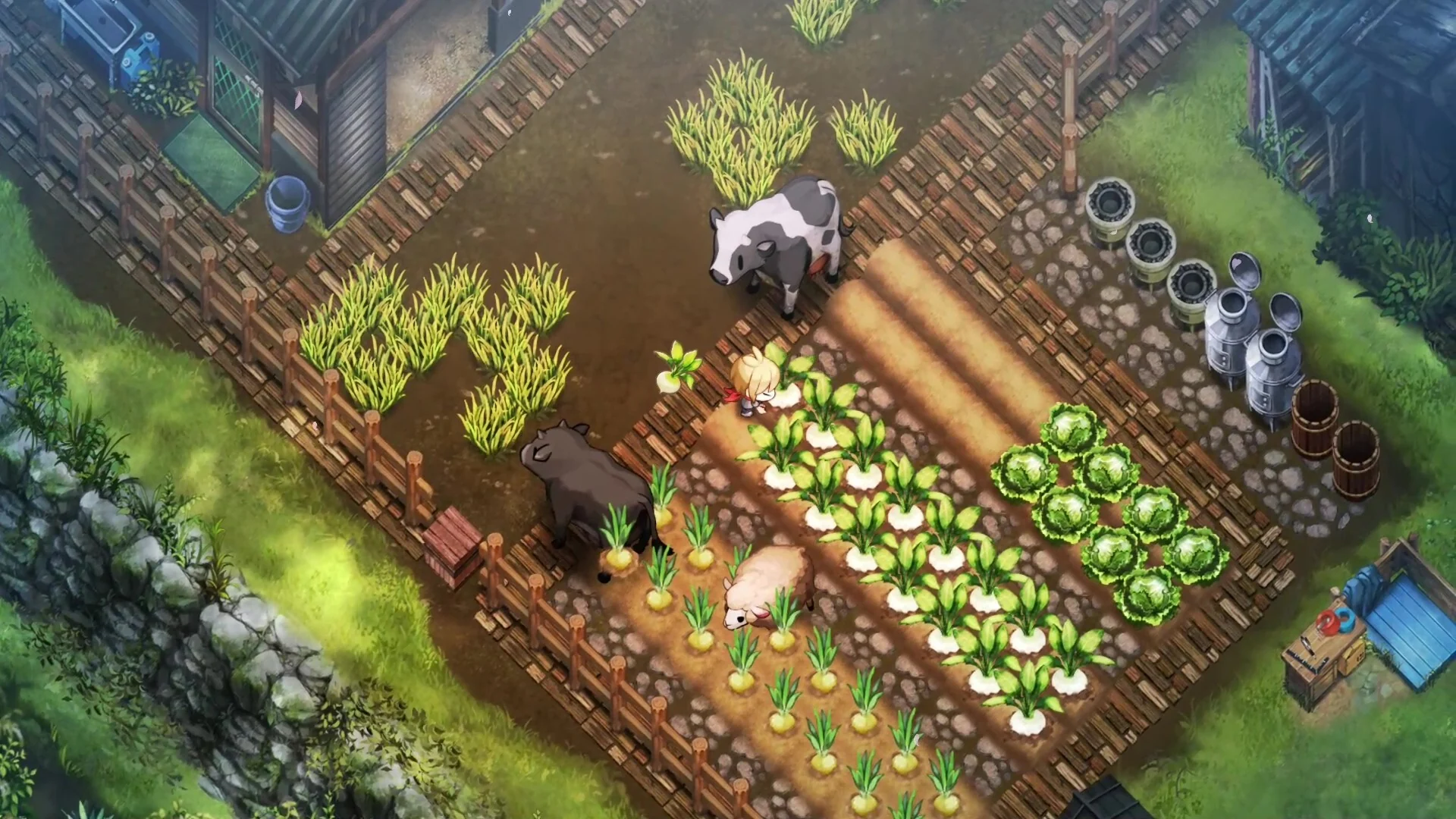
Village in the Shade: How Long to Beat and Completion Times
When diving into an atmospheric narrative adventure or indie exploration title like Village in the Shade, pacing is often everything.
When diving into an atmospheric narrative adventure or indie exploration title like Village in the Shade, pacing is often everything. Players searching for "Village in the Shade how long to beat" are typically trying to figure out whether the experience fits into a single cozy evening, a weekend, or a longer multi-session commitment.
Because official completion metrics and developer-stated playtimes can vary wildly depending on your playstyle, it helps to break down the expected hours across different types of playthroughs. This guide looks at what influences your total time with the game, how different approaches change the pacing, and how you can verify your own progress.
Estimated Playtimes at a Glance
While individual completion speeds depend heavily on puzzle-solving efficiency and text-reading speed, general community patterns and typical genre lengths point toward a few expected milestones:
- Main Story / Critical Path: For players who focus strictly on primary objectives, core narrative beats, and essential transitions without lingering in every corner, the experience tends to be relatively concise.
- Standard / Balanced Playthrough: If you prefer to explore side paths, talk to every available non-player character, read optional lore fragments, and take your time absorbing the atmosphere, expect the clock to tick a bit higher.
- Completionist / 100% Run: For those aiming to uncover every hidden secret, unlock all achievements, or find rare collectibles that require backtracking, the time investment will increase depending on how well-hidden those optional elements are.
Note: Exact numerical averages for "Village in the Shade" remain unverified for the current version due to a lack of centralized developer telemetry. Your mileage may vary based on your familiarity with the game's mechanics.
Factors That Influence Your Playtime
No two players experience a journey quite the same way. Several key elements will determine whether you finish on the faster side or stretch your time in the valley:
1. Reading and Dialogue Pace
Narrative-heavy games often feature extensive dialogue trees, environmental text logs, and branching conversations. If you prefer to listen to full voice acting (where available) and read every line of optional lore, your total time will naturally expand compared to someone who prefers to skim text quickly.
2. Puzzle Difficulty and Exploration
The layout of the environment plays a massive role. If the game features environmental puzzles, hidden keys, or spatial navigation challenges, getting stuck on a particular roadblock can add significant time. Conversely, players who instinctively check every nook and cranny may solve these hurdles much faster.
3. Playstyle and Engagement
Are you the type to rush toward the credits to see how the story concludes, or do you prefer to stop and appreciate the scenery, ambient sound design, and subtle details? Slower, more deliberate exploration will always yield a higher play time.
How to Check Your Own Progress
If you want to track how many hours you have invested during your playthrough, you can rely on standard platform tracking tools depending on where you are playing:
- PC Launchers (Steam, Epic Games Store, etc.): Check your library page or overlay interface, which typically logs cumulative active hours automatically. Keep in mind that leaving the game paused in the background can inflate these numbers.
- Console Profiles: Navigate to your profile's game history or achievements tab to view total time spent in-game.
- In-Game Save Files: Check the load/save menu. Many titles display an active play timer directly beside individual save slots, which usually only counts active gameplay time rather than paused menus.
If platform counters or save files are unavailable or seem inaccurate for the current version, the most reliable method is to compare your current chapter or milestone against community discussion boards or walkthrough progress markers.
Is the Length Worth It?
Length is rarely the sole indicator of quality. Whether Village in the Shade takes a handful of hours or stretches across multiple sessions, the value of the experience lies in its pacing, mood, and storytelling. If you prefer tight, focused narratives that don't overstay their welcome, a concise runtime is often a distinct advantage over bloated open-world designs.
To confirm specific playtime milestones or check for recent updates regarding added content, consider browsing community hubs like Reddit, Steam Discussions, or verified review aggregators where players regularly share their personal completion times.