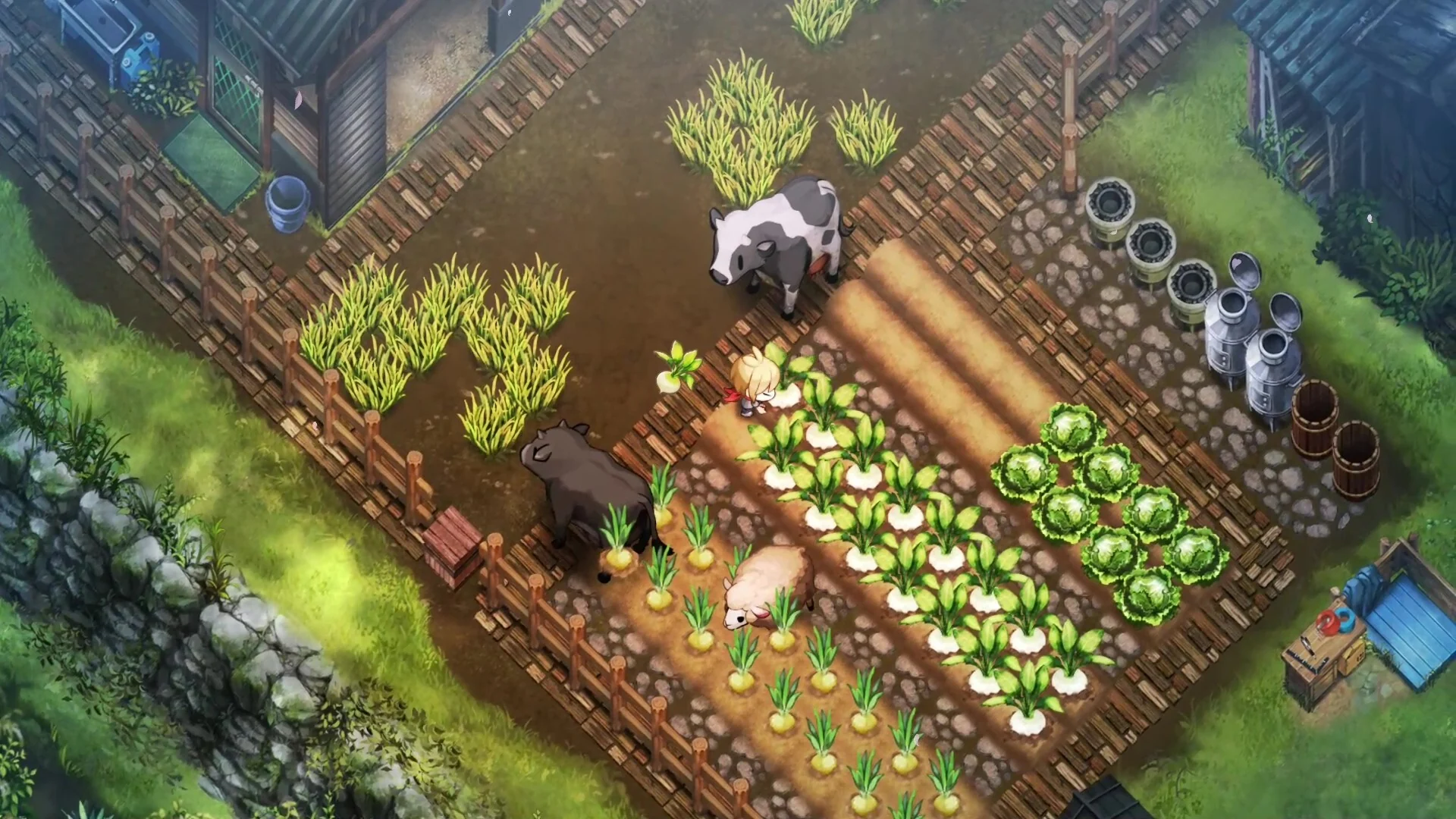
Village in the Shade Switch 2: What We Know About Platform Availability and Compatibility
When players search for Village in the Shade Switch 2, they are usually looking for clarity on whether the atmospheric, narrative-driven indie or puzzle title.
When players search for Village in the Shade Switch 2, they are usually looking for clarity on whether the atmospheric, narrative-driven indie or puzzle title they have heard about is heading toward Nintendo’s successor console. As the gaming landscape transitions and hardware specifications shift, questions regarding port announcements, backward compatibility, and platform availability become central for players trying to plan their next hardware and software purchases.
Because official announcements can vary widely depending on the developer's studio size, engine choice, and publisher agreements, navigating what is confirmed versus what remains speculative is essential. This article breaks down how platform availability is typically handled for newer hardware iterations like the rumored or upcoming Switch successor, what players should look for, and how to verify official releases independently.
Understanding the Context: Platforms and Next-Gen Transitions
When a new console generation approaches, developers face choices regarding where to launch their games. For a title like Village in the Shade, platform strategy usually depends on a few key factors:
- Engine Scalability: Games built on flexible middleware (such as Unity or Unreal Engine) often find it smoother to scale up or down between hardware generations.
- Target Audience: Titles that rely on immersive storytelling, detailed environmental art, or specialized control schemes may benefit from the improved performance profiles of newer hardware.
- Timing of Development: If a game entered full production years prior to any hardware leaks or developer kits being widely distributed, its initial launch is often optimized strictly for current-gen or older platforms, with porting considered only post-launch.
For players tracking Village in the Shade on a potential "Switch 2" or next-generation Nintendo platform, understanding whether the title is built as an exclusive, a cross-gen release, or a candidate for backward compatibility helps manage expectations.
Official Status and Platform Announcements
As of the current window, specific developer confirmations regarding a dedicated Village in the Shade release for Nintendo's unannounced or successor hardware remain unverified.
When searching for port announcements, players should keep the following distinctions in mind:
- Rumors vs. Official Press Releases: Unofficial leaks on social media or forums often group indie titles into launch lineups without publisher backing. Always cross-reference claims with official channels like the developer's official website, social media feeds, or direct announcements from Nintendo.
- Backward Compatibility: Many players wonder if current Nintendo Switch software will carry forward to a successor system. While Nintendo has historically handled backward compatibility in various ways across hardware generations, any assumptions about native enhancements or automatic patch support for Village in the Shade should be treated as unverified until Nintendo or the developers issue a formal statement.
How to Verify Platform Availability Independently
If you want to stay up to date on whether Village in the Shade is coming to a specific platform, rely on direct, verifiable sources rather than speculative listicles. Here is how you can check:
- Check the Developer's Official Channels: Visit the official studio website or their primary storefront pages (such as Steam, Nintendo eShop, or console equivalent pages). Developers usually post a dedicated "Platforms" or "FAQ" section if multiplatform or next-gen ports are planned.
- Monitor Direct Presentations: Events like Nintendo Direct broadcasts or indie-focused showcases (such as Indie World or major gaming expos) are the primary arenas where official platform expansions and hardware ports are revealed.
- Review Storefront Metadata: If a game page appears on an official digital storefront with specific platform tags, that serves as a definitive confirmation. Avoid trusting placeholder release dates or unverified retail leaks.
What Next-Gen Nintendo Hardware Means for Indie Titles
If a successor to the Nintendo Switch does support titles like Village in the Shade, players generally look forward to potential technical improvements rather than fundamental game design changes. On stronger hardware, indie developers often target:
- Stabler Frame Rates: Ensuring demanding atmospheric sequences or complex puzzle physics run smoothly without performance dips.
- Reduced Load Times: Utilizing faster internal storage architectures to make transitions between areas seamless.
- Visual Fidelity: Enhancing lighting, shadow detail, and resolution to match the portable or docked capabilities of new displays.
However, until the developer or publisher explicitly details these enhancements for a specific platform version, players should view them as possibilities rather than guaranteed features.
Conclusion
The conversation surrounding Village in the Shade on a hypothetical "Switch 2" highlights the ongoing excitement for how atmospheric indie games will transition into future hardware generations. While official details remain unverified for next-gen Nintendo platforms, keeping an eye on direct developer updates and official storefront listings is the most reliable way to track future releases. Always verify game availability through official channels to ensure you have accurate, up-to-date information before making purchasing decisions.