Village in the Shade Switch vs. Switch 2: What Gamers Need to Know
When an atmospheric indie title or a cozy adventure game like Village in the Shade makes waves, players immediately look toward platform compatibility.
When an atmospheric indie title or a cozy adventure game like Village in the Shade makes waves, players immediately look toward platform compatibility. With Nintendo’s hardware evolution currently spanning two generations, a common question arises among players: How does Village in the Shade perform on the original Nintendo Switch compared to the anticipated or current successor, often referred to as the Switch 2?
Because hardware transitions bring significant shifts in processing power, frame rates, and visual fidelity, understanding these differences helps you decide where to play. This article breaks down how *Village in Village in the Shade is expected to leverage each console, what technical aspects to look out for, and how you can verify official performance specs before making a purchase.
Understanding the Hardware Gap: Nintendo Switch vs. Switch 2
To understand how Village in the Shade runs across Nintendo's ecosystem, it helps to look at the baseline capabilities of the hardware.
The original Nintendo Switch, powered by a customized NVIDIA Tegra X1 chip, revolutionized hybrid gaming. However, its mobile-first architecture is aging. Modern titles that rely heavily on dynamic lighting, intricate particle effects, or dense environmental storytelling often require heavy optimization—such as dynamic resolution scaling and capped 30 frames per second (fps)—to run smoothly on the base model.
On the other hand, rumors, leaks, and industry expectations surrounding Nintendo's next-generation hardware point toward a much more capable system. A hypothetical Switch 2—or whatever official moniker Nintendo chooses—is widely expected to feature modern architecture, DLSS (Deep Learning Super Sampling) capability, faster storage speeds, and significantly more RAM.
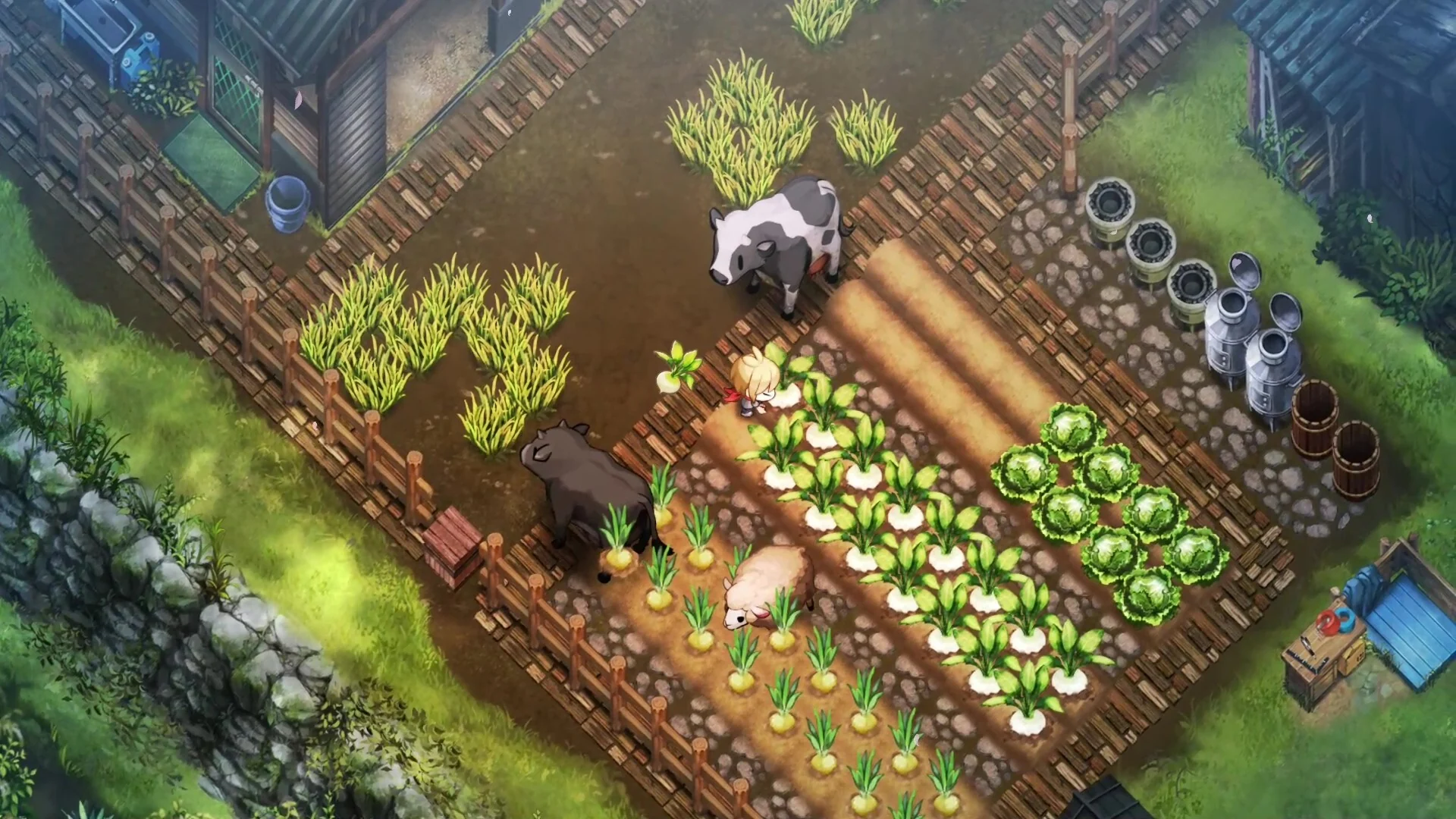
For a game like Village in the Shade, which often relies on mood, stylized art direction, and immersive ambient details, these hardware leaps translate directly into visual clarity and responsiveness.
Performance Expectations on the Original Nintendo Switch
If you are playing Village in the Shade on a standard Nintendo Switch, Lite, or OLED model, you can generally expect a tailored, optimized experience, but with certain technical compromises:
- Resolution Targets: Handheld mode often runs at a lower native resolution (such as 720p or dynamic sub-720p) to maintain stability, while docked mode may push toward a scaled 1080p using dynamic resolution techniques.
- Frame Rates: Many titles of this genre target a stable 30 fps on legacy hardware to prevent stuttering during heavy environmental rendering or rapid camera pans.
- Load Times: Due to slower eMMC storage speeds on the original console, initial boot times and fast-travel transitions might require a bit more patience.
While developers work wonders to get games running gracefully on older Nintendo hardware, visual clarity in complex shadow or lighting sequences can occasionally suffer from artifacting or blurriness due to aggressive upscaling.
Potential Enhancements on Switch 2 Hardware
If Village in the Shade receives a dedicated current-generation patch or runs via backward compatibility with performance enhancements on the Switch 2, the experience could look and feel substantially different:
- Sharper Visual Fidelity: With rumored support for modern upscaling technologies like DLSS, the game could render at a crisp native or reconstructed resolution, bringing out the fine textures of the village's distinct art style.
- Smoother Frame Rates: A transition from a capped 30 fps to a locked 60 fps would make movement, exploration, and camera interaction feel dramatically more fluid.
- Reduced Loading Pauses: Faster internal storage speeds on newer hardware architecture typically translate to near-instantaneous transitions between areas, keeping you immersed in the atmosphere without interruption.
Key Factors to Consider Before Buying
When deciding whether to pick up Village in the Shade on the original Switch or wait for enhanced features on a Switch 2, weigh the following considerations:
- Do you already own a Nintendo Switch? If you do not plan to upgrade your hardware immediately, the original Switch version remains a fully playable, accessible option. Developers ensure baseline compatibility so that the core game is completable and enjoyable.
- Is portability your primary concern? The original Switch and Switch Lite offer unmatched portability. If the successor hardware is physically larger or heavier, weigh whether handheld comfort matters more to you than graphical fidelity.
- Check for Smart Delivery or Upgrade Paths: Nintendo does not always offer uniform cross-generation upgrade paths. Check the official Nintendo eShop or publisher announcements to see if purchasing the game on the current system grants access to an upgraded version later, or if they are sold as separate software packages.
How to Verify Current Performance and Compatibility
Because gaming tech specs and software updates shift rapidly, it is always wise to double-check official sources before committing to a platform. You can verify the current state of Village in the Shade using these steps:
- Visit the Official Nintendo eShop: Search for the title on your console or via Nintendo's official website. Look at the game's supported modes (Handheld, Tabletop, TV) and check the listed file size.
- Consult Developer Patch Notes: Check the official social media channels or website of the game's developer or publisher. They frequently post details regarding performance targets, resolution caps, and specific platform updates.
- Watch Community Technical Reviews: Independent analysis channels often test multi-platform releases on launch day. Watching frame-rate tests for the Nintendo Switch version can give you a transparent look at how the game performs in practice.
Ultimately, whether you dive into Village in the Shade on your trusty day-one Nintendo Switch or experience it through the lens of upgraded hardware, the core journey remains the choice that fits your current gaming setup best.