Is Village in the Shade a Horror Game? A Comprehensive Guide
For players browsing indie releases or distinctive storytelling titles, coming across Village in the Shade often prompts immediate curiosity about its genre.
For players browsing indie releases or distinctive storytelling titles, coming across Village in the Shade often prompts immediate curiosity about its genre. Atmospheric titles with evocative names regularly blur the lines between psychological thriller, traditional survival horror, and narrative adventure. Understanding what kind of experience the game delivers helps players set proper expectations before diving in.
This guide examines the core elements of Village inth the Shade, explores its thematic design, and outlines practical ways to verify gameplay details for yourself.
Defining the Genre: What is Village in the Shade?
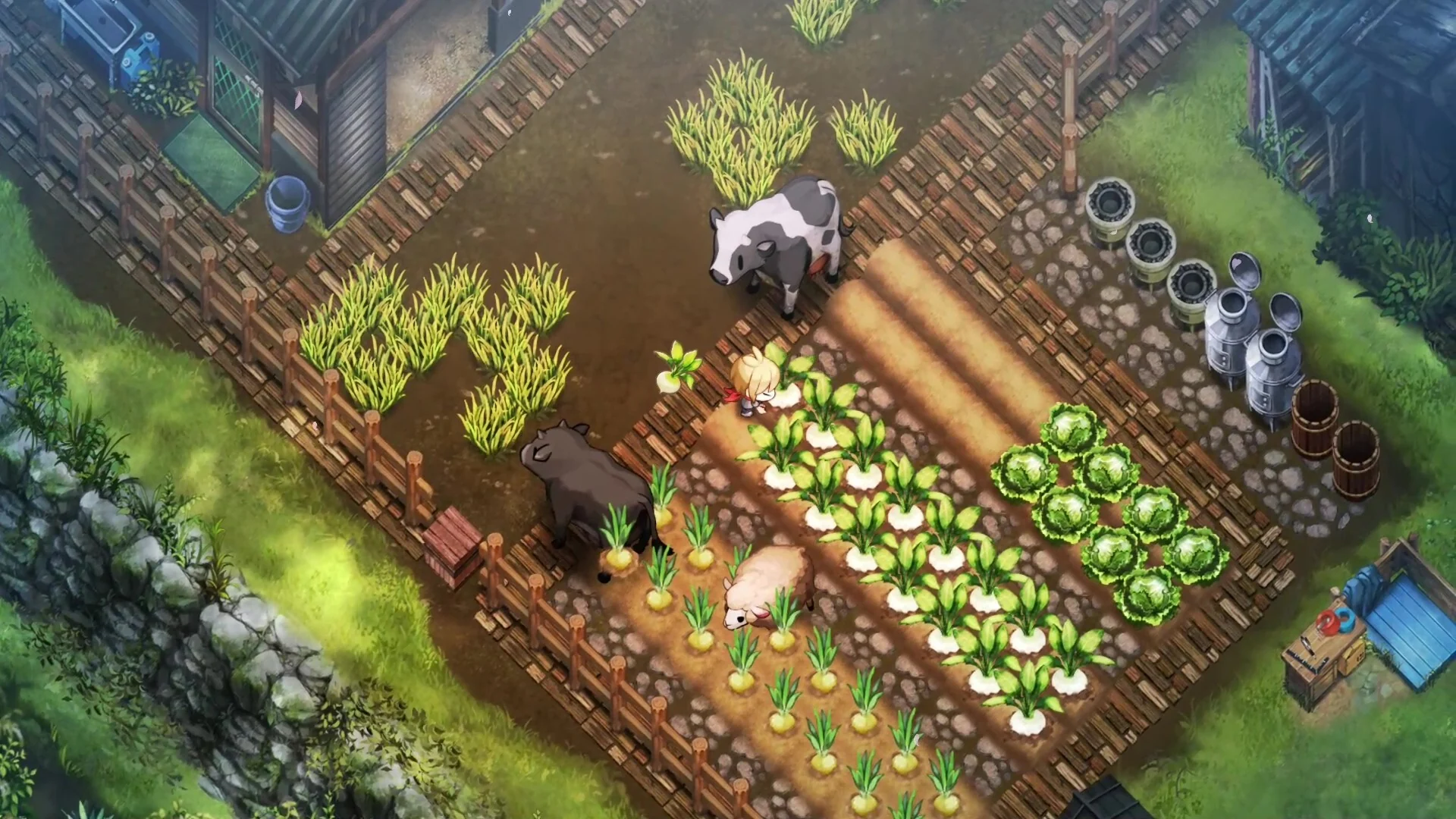
Classifying Village in the Shade requires looking closely at how it presents its world and manages player interaction. Rather than relying on sudden jump scares or traditional monster combat, the title typically leans toward atmospheric tension, narrative exploration, and psychological unease.
- Atmospheric Focus: The environment plays a primary role in establishing mood. Dim lighting, oppressive quiet, and isolated settings contribute heavily to the overall tone.
- Narrative-Driven Progression: Players usually advance by uncovering secrets, reading dialogue or environmental notes, and interacting with characters rather than fighting hostile entities.
- Pacing: The experience moves at a deliberate, measured speed, encouraging observation over fast-paced action.
Whether this constitutes a "horror game" depends largely on how an individual defines the genre. If horror requires active survival mechanics, weapon management, and physical threats, Village in the Shade may feel closer to a mystery or a walking simulator with dark themes. If horror encompasses psychological dread, unsettling aesthetics, and disturbing narratives, the title fits comfortably within the broader psychological horror umbrella.
Core Gameplay Elements to Expect
Players approaching Village in the Shade should anticipate specific design choices that shape the moment-to-moment experience.
Exploration and Environmental Storytelling
Most of the gameplay revolves around moving through detailed spaces. Progression depends on noticing small changes in the environment, picking up items, and piecing together a larger narrative through visual clues.
Dialogue and Choice
Interactions with characters often carry significant weight. Conversations can shape how the story unfolds, revealing different facets of the plot depending on which paths the player chooses to explore.
Absence of Traditional Combat
Unlike action-heavy horror titles where players defend themselves against threats, Village in the Shade generally minimizes or entirely omits combat mechanics. The challenge stems from navigating unsettling spaces and interpreting ambiguous story beats rather than executing precise combat inputs.
Comparing It to Traditional Horror Games
To better understand where Village in the Shade sits, it helps to contrast it with mainstream horror franchises.
| Feature | Traditional Survival Horror (e.g., Resident Evil, Silent Hill) | Village in the Shade |
|---|---|---|
| Threats | Active monsters, enemies requiring combat or evasion | Psychological tension, atmospheric dread, narrative mystery |
| Resources | Managed inventory, ammunition, healing items | Primarily observational tools, narrative items, keys |
| Pacing | Alternates between safe zones, puzzle-solving, and combat franticness | Sustained, deliberate, and contemplative |
| Core Goal | Survive physical dangers and escape | Uncover a dark story and comprehend the setting |
Recognizing these distinctions prevents frustration for players looking for high-octane scares while helping narrative-focused players find an experience suited to their tastes.
How to Verify Gameplay Features Before Playing
Because indie game mechanics and updates can vary, verifying specific content directly before purchasing or playing is always a smart approach. Here are practical steps to confirm what to expect:
- Check Official Store Pages: Review the description on platforms like Steam, itch.io, or console stores. Developers often list specific tags such as "Psychological Horror," "Mystery," "Visual Novel," or "Walking Simulator."
- Watch Non-Spoiler Gameplay VODs: Search for the first fifteen to twenty minutes of a playthrough on video platforms. Watching the opening sequence reveals the UI, the control style, and the immediate atmosphere without ruining major plot twists.
- Read User Reviews Carefully: Look for reviews written by players who finished the game. Pay attention to comments regarding pacing, the presence of jump scares, and the overall emotional tone.
- Consult Community Hubs: Forums and dedicated discussion boards allow potential players to ask direct questions about content warnings, playtime length, and genre categorization without encountering severe spoilers.
Final Verdict
Village in the Shade is best approached not as a pulse-pounding survival horror experience, but as an atmospheric, narrative-driven journey into unsettling territory. It utilizes tension, mood, and storytelling to engage the player. For those who enjoy slow-burn mysteries and psychological depth, it offers a compelling experience, while players seeking intense action or direct combat may want to look elsewhere.